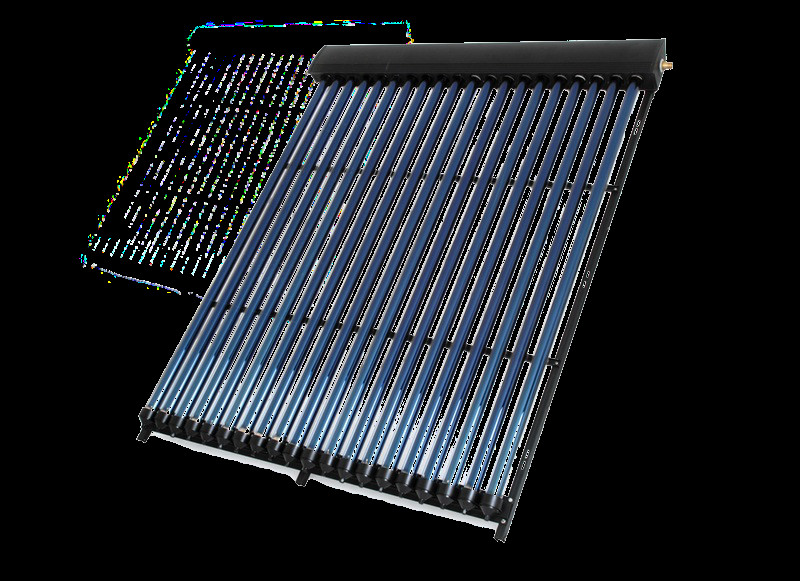
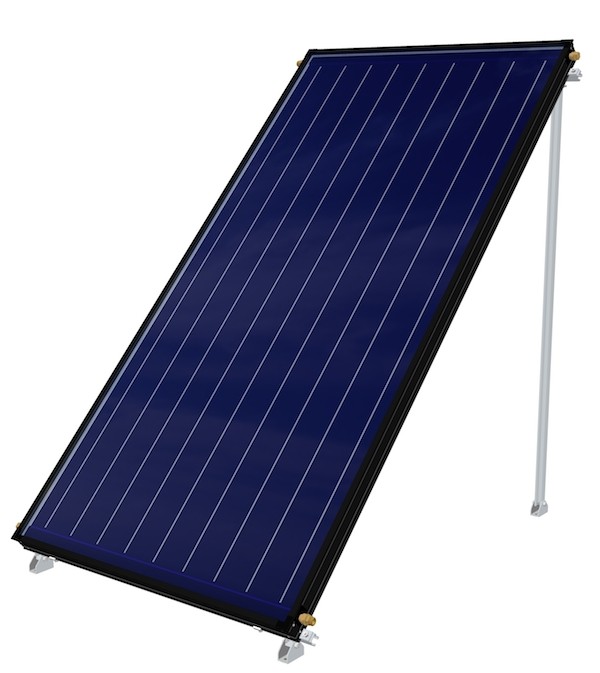
Solar energy is one of the widely used renewable energy that can be harnessed either by directly deriving energy from sunlight or indirectly. Solar water heating system, on the other hand, is one of the applications of solar energy that has drawn great attention among researchers in this field. Solar collectors, storage tanks and heat transfer fluids are the three core components in solar water heater applications. The latest developments and advancement of a solar water heater based on the three basic components that may affect the thermal performance of the system. VERSOL reviews the development of various types of solar collectors in solar water heater, including both the non-concentrating collectors (flat plate collector, evacuated tube collector) and the concentrating collectors (parabolic dish reflector, parabolic trough collector). All these are studied in terms of optical optimization, heat loss reduction, heat recuperation enhancement and different sun tracking mechanisms. Among the non-concentrating and concentrating collectors, the parabolic dish reflector collectors show the best overall performance. The use of nanofluids as a heat transfer fluid was also discovered as part of continuous develpoment of VERSOL products. You can visit our website for more details.

Comments
Post a Comment